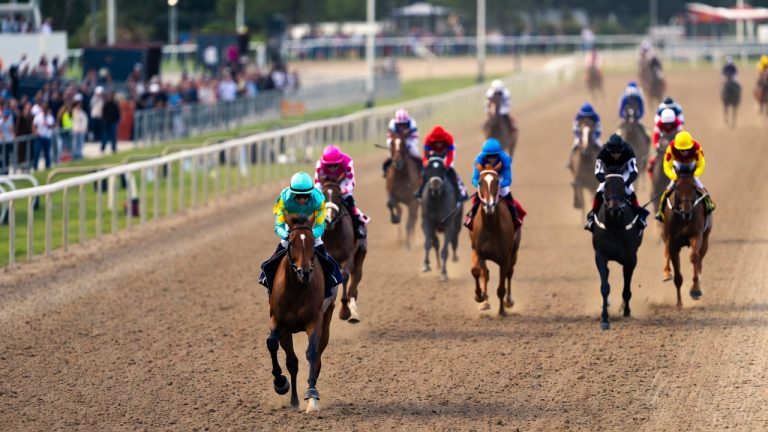
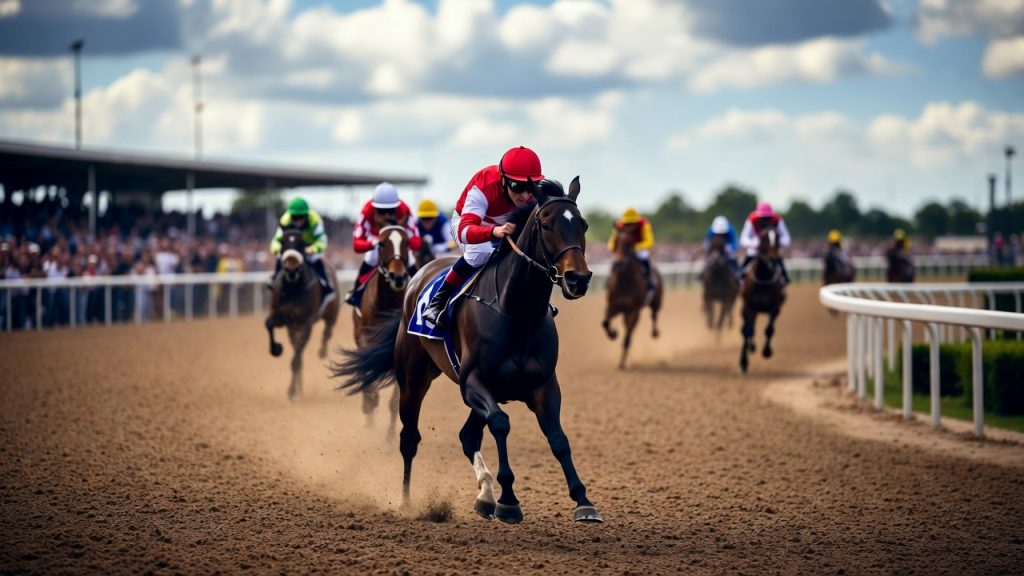
If you’ve been searching for the nap of the day horse racing and wondering whether it’s genuinely worth following — or just another betting buzzword — this guide will clear everything up.
The NAP is one of the most established traditions in British racing culture. Every major outlet — from the Racing Post to Timeform — publishes one daily. Yet most casual punters misunderstand what a NAP really represents.
A NAP is not a guaranteed winner.
It’s not a system that eliminates risk.
It is a professional’s strongest opinion of the day — selected through structured analysis.
In this complete expert guide, we’ll explain:
What NAP actually means (and where it comes from)
How professional tipsters select their racing nap best bet
How the naps table horse racing competition works
How to use daily nap tips within a disciplined betting strategy
How PaddockPicks builds and publishes its free daily NAP
If used properly, the NAP can be one of the most efficient decision-making tools in your betting portfolio.
What Does NAP Mean in Horse Racing?
The word “NAP” didn’t start in racing at all.
It comes from the Victorian card game Napoleon, where declaring “Nap” meant you were confident of winning every trick — the strongest possible hand.
Racing journalists adopted the term in the late 19th century. When a correspondent marked a horse as their “NAP,” it meant:
“This is my strongest bet of the day.”
Over time, the term became standardised across British racing media. Today, every newspaper and racing website publishes a single NAP each race day.
There can only ever be one NAP per tipster per day.
NAP vs NB vs IWAC: Understanding Racing Tip Terminology
Professional tipsters usually publish more than one selection.
Here’s how they differ:
| Term | Meaning |
|---|---|
| NAP | The strongest selection of the day |
| NB (Next Best) | Second-most confident tip |
| IWAC | “In With A Chance” – value at bigger odds |
| NAP Double | Two NAPs combined in a double bet |
| Banker | A very short-priced, high-confidence selection |
The NAP carries the highest confidence weighting. The NB often offers slightly bigger odds. IWAC selections typically aim for value at longer prices.
Understanding the difference between nap and nb horse racing tips helps structure your staking.
How Professional Tipsters Choose the Nap of the Day
Serious racing analysis goes far beyond glancing at a form line.
Here’s the structured framework used by experienced tipsters — including the team at PaddockPicks.
1. Form Analysis
Recent runs (last 3–5 races)
Class level
Distance suitability
Strength of opposition
Sectional time improvement
2. Trainer & Jockey Angles
Course-specific strike rate
Seasonal performance trends
Jockey/trainer partnerships
Targeted race planning
3. Course & Draw Bias
At certain tracks — such as Wolverhampton or Lingfield — stall position significantly affects outcomes. Ignoring this factor can destroy long-term returns.
4. Pace Mapping
Before selecting a NAP, professionals map likely in-running positions:
How many front-runners?
Is the pace likely strong or slow?
Does the selection’s running style suit the scenario?
5. Market Intelligence
Watching early prices and exchange moves often reveals stable confidence. A significant “steamer” (shortening price) can confirm a well-backed NAP — though it must align with the form case.
6. Value Assessment
This is where amateurs and professionals diverge.
A horse might be the most likely winner at 4/7 — but if its true chance is 55% and the market implies 70%, it’s poor value.
A strong NAP must combine:
Genuine winning chance
Mispriced odds
That’s the edge.
The Naps Table Horse Racing Competition Explained
The naps table horse racing system tracks tipsters’ NAP results across a season.
The most prestigious version is run by the Racing Post.
Here’s how it works:
Each participating journalist submits one daily NAP.
Results are tracked to £1 level stakes at Starting Price (SP).
Profits/losses accumulate over the season.
Tipsters are ranked by total LSP.
Why this matters:
A tipster with a 35% strike rate can still lose money if backing short prices.
The naps table reveals true profitability.
Key metrics to examine:
Level Stakes Profit (LSP)
Average odds of NAPs
Sample size (minimum 100+ bets)
Multi-season consistency
Without transparency, marketing claims mean nothing.
How Often Does a Horse Racing NAP Today Actually Win?
Industry averages show:
25%–35% strike rate long-term
Around 27–28% typical across professional journalists
That means losing runs are completely normal.
Example:
If a tipster has a 30% strike rate:
Losing streaks of 6–8 bets are statistically expected.
Bank management is essential.
The mistake most punters make? Increasing stakes after losses.
The professionals don’t.
Step-by-Step Guide: Using Daily Nap Tips Profitably
Step 1: Choose the Right Tipster
Look for:
12+ months documented results
Publicly visible strike rate
Positive LSP at SP
Full reasoning published daily
Avoid:
Anonymous services
“100% strike rate” marketing
Deleted losing records
Step 2: Run a 5-Minute Personal Check
Before backing any horse racing nap today, confirm:
Is the going suitable?
Is the draw acceptable?
Has the price drifted significantly?
Is the race overly competitive?
Does the trainer target this meeting?
This quick review prevents blind following.
Step 3: Focus on the Right Odds Range
Long-term profitability improves when:
Average NAP odds are 2/1 to 4/1
Strike rate stays near 30%
Backing constant odds-on NAPs often produces negative ROI over time.
Step 4: Apply a Disciplined Staking Plan
Two recommended methods:
Level Stakes
Same stake every day
Easy to track
Best for beginners
Percentage Bank Staking
1–3% of bankroll per bet
Automatically adjusts during losing runs
Never chase losses. Ever.
Step 5: Use Convergence on Big Days
On major meetings like:
Cheltenham Festival
Royal Ascot
When multiple respected tipsters independently select the same NAP, confidence increases.
Convergence is powerful — but still requires value.
Big Race Day NAP Strategy
Cheltenham Festival
Competitive fields
Lower average strike rate
Bigger-priced value NAPs often outperform short favourites
Royal Ascot
Higher class, smaller fields
Clearer form lines
Strong journalist NAPs often show high strike rates
Grand National Day
The Grand National is uniquely volatile. Most professionals avoid making it their NAP and instead focus on earlier races with more predictable dynamics.
How PaddockPicks Builds Its Daily Nap of the Day Horse Racing
At PaddockPicks.co.uk, our NAP process includes:
Full form review (last 3–5 runs)
Draw and pace modelling
Trainer course-specific data
Jockey performance tracking
Market monitoring overnight
Probability vs odds comparison
We publish:
One NAP only
Full written explanation
Early prices for best value
Transparent strike rate & LSP updates
No hype. No exaggeration.
Just structured analysis.
FAQ: Nap of the Day Horse Racing
What does NAP mean in horse racing?
It means the tipster’s strongest selection of the day — their highest-confidence bet.
Is the NAP guaranteed to win?
No. Professional NAPs win 25–35% long-term. Losing runs are normal.
What is a naps table?
A league table ranking tipsters by level stakes profit across a season.
Should I only bet the NAP?
It can be a focused strategy — but it should still be verified with your own quick checks.
What is the difference between NAP and NB?
NAP = strongest selection.
NB = next best alternative.
Summary: The Smart Way to Use the Nap of the Day
The nap of the day horse racing tradition has survived for over a century because it simplifies decision-making in a complex sport.
But it works only when:
You follow proven tipsters
You verify selections
You focus on value, not hype
You apply disciplined staking
You accept normal losing runs
The NAP is not a crutch.
It’s a filter.
Used correctly, it can sharpen your betting focus and improve long-term consistency.
🏆 Get Today’s Free NAP — Fully Explained
• Daily NAP published every evening
• Full form breakdown
• Trainer & pace analysis
• Value-based selection
• Transparent results tracking
👉 Visit paddockpicks.co.uk for today’s expert NAP.