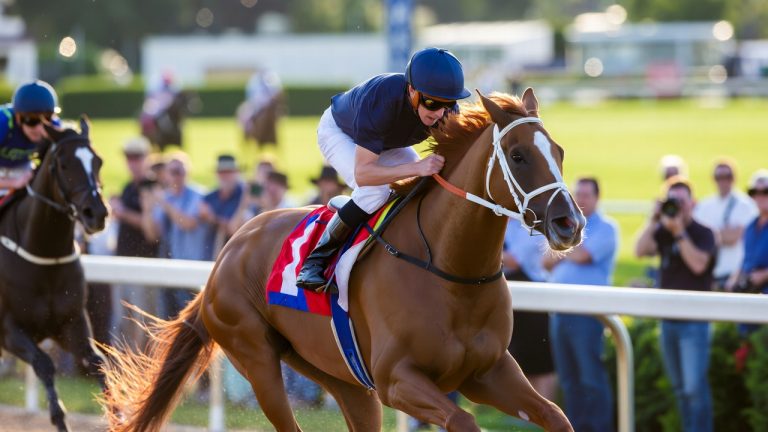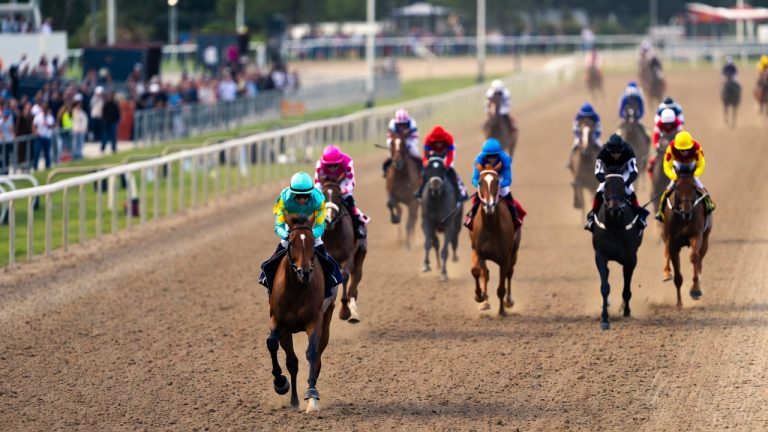
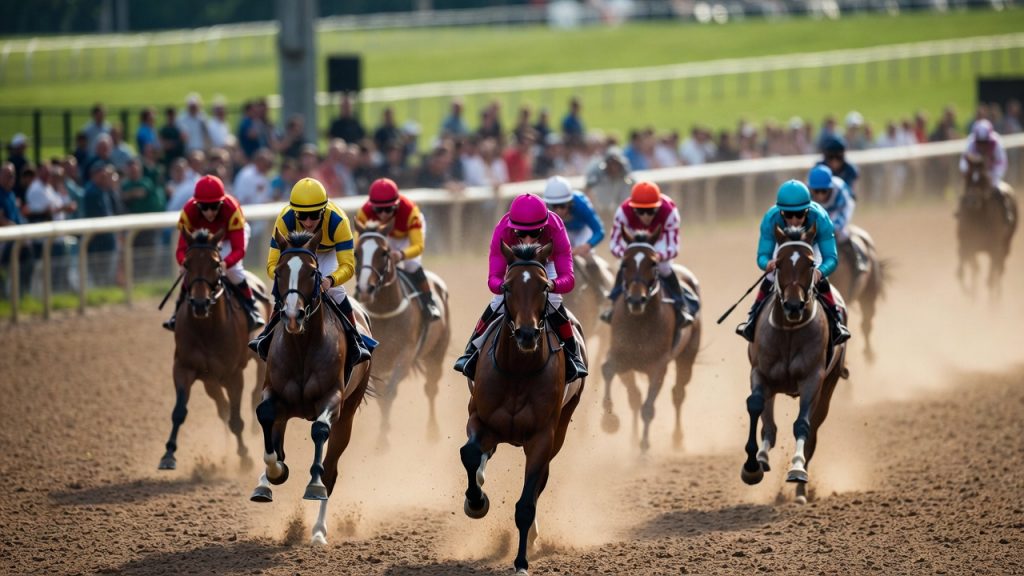
If you’re searching for reliable Lingfield racing tips, you’re in the right place. Lingfield Park Racecourse is one of the most versatile and strategically complex venues in British racing. It is the only racecourse in Britain that hosts:
Flat racing on Polytrack
Flat racing on turf
National Hunt (jumps) racing
That versatility creates opportunity — but only for punters who understand the differences between surfaces, draw bias, pace dynamics, and trainer intent.
At PaddockPicks.co.uk, we analyse every Lingfield fixture in depth. This guide explains exactly how to approach Lingfield Park race tips like a professional — not a guesser.
Lingfield Park: The Essential Background
Lingfield Park Racecourse sits on a 450-acre estate near East Grinstead, close to the Surrey, Kent and West Sussex borders. Opened in 1890 by the Prince of Wales (later King Edward VII), it has evolved into one of Britain’s busiest racecourses with around 90 fixtures annually.
The course is operated by Arena Racing Company, which also manages major venues such as Doncaster Racecourse and York Racecourse.
Lingfield At a Glance
| Factor | Detail |
|---|---|
| Opened | 1890 |
| All-Weather Introduced | 1989 (UK’s first) |
| Current AW Surface | Polytrack (relayed 2012) |
| Track Type | Left-handed, sharp, undulating |
| Annual Fixtures | ~90 |
| Race Codes | Flat AW, Flat Turf, National Hunt |
| Key Draw Bias | Low draws strong at 5f, 6f, 1m2f |
| Signature Feature | Downhill run from 4f to 2f |
Lingfield staged Britain’s first-ever all-weather meeting in 1989 — a moment that changed UK racing permanently.
Polytrack at Lingfield: Why It Matters
Lingfield’s all-weather racing takes place on Polytrack — a wax-coated synthetic surface also used at Chelmsford.
This differs from Tapeta (used at Southwell and Wolverhampton). Surface differences are crucial when building accurate Lingfield horse racing predictions.
What Polytrack Rewards
Quick-actioned horses
Tactical speed
Balanced, agile types
Prominent racers who conserve energy
Unlike turf, Polytrack remains consistent year-round. That means:
Going reports are less influential
Draw and pace become more important
Course experience is highly predictive
The Hill: Lingfield’s Tactical Edge
Lingfield is not flat like Chelmsford.
From the 4-furlong pole, the track descends sharply before levelling into the straight. This downhill section is a defining characteristic.
Horses that:
Over-race
Hang under pressure
Struggle for balance
…lose ground quickly here.
Veteran riders such as David Probert have highlighted this as Lingfield’s defining tactical feature.
When reviewing a Lingfield all-weather form guide, always check comments for:
“Hung left/right”
“Unbalanced”
“Carried wide on bend”
These small notes often explain past defeats — and predict future improvement.
Draw Bias at Lingfield: Non-Negotiable Knowledge
Lingfield is one of the most draw-sensitive tracks in Britain.
All-Weather Draw Bias by Distance
5f & 6f
Low draws (1–4) statistically strong
First bend arrives quickly
High draws lose ground wide
7f
Bias still present but slightly reduced
1m
Draw less critical
Pace and class matter more
1m2f
One of the most draw-dependent starts in Britain
Horses hit a bend almost immediately
2m
Stall 4 historically strong LSP over five seasons
Rule: In sprints and 1m2f races, never finalise Lingfield tips today without checking the stall positions.
Turf & National Hunt Considerations
Lingfield’s turf course is triangular and left-handed.
On turf:
Good ground = pace advantage
Soft ground = stamina test
The jumps course features a short 200-yard run-in. That makes front-running, fluent jumpers extremely dangerous — once in front turning for home, they’re hard to catch.
Key jumps event: The Surrey National (February).
Step-by-Step: How to Build Winning Lingfield Racing Tips
Here’s the structured PaddockPicks approach.
Step 1: Filter for Course Form
Polytrack course experience at Lingfield is more valuable than generic all-weather wins elsewhere.
Chelmsford form transfers reasonably well.
Tapeta form (Wolverhampton, Southwell) transfers less reliably.
Step 2: Check the Draw
In fields of 8+, a high draw in a sprint is a red flag.
Small fields (≤6 runners) neutralise much of the bias.
Step 3: Analyse Run Style
Lingfield favours:
Prominent racers
Handy types who settle
Balanced movers on the downhill
Front-running without control = vulnerable late.
Held-up too far back = traffic problems on sharp bends.
Step 4: Trainer Course Stats
Some trainers target Lingfield aggressively.
Always check Lingfield-specific strike rates via:
Racing Post
Timeform
A trainer at 25% at Lingfield but 12% nationally signals track specialisation.
Step 5: Jockey Familiarity
Lingfield regulars understand:
When to press downhill
How to handle tight bends
Where pace collapses
Occasional visitors often misjudge positioning.
Step 6: Monitor Market Signals
Lower-grade all-weather racing frequently sees informed moves.
Use exchange data from Betfair to spot:
Early shorteners
Suspicious drifts
Stable-backed runners
Lingfield vs Other All-Weather Tracks
| Track | Surface | Hill? | Draw Bias |
|---|---|---|---|
| Lingfield | Polytrack | Yes | Strong (low) |
| Chelmsford | Polytrack | No | Moderate |
| Wolverhampton | Tapeta | No | Moderate |
| Southwell | Tapeta | No | Low–Moderate |
Lingfield’s hill and tight configuration make it the most idiosyncratic Polytrack venue in Britain.
Major Races at Lingfield
Winter Derby (Group 3)
Run over 1m2f in February.
All-Weather Championships Finals Day
Held annually on Good Friday under the All-Weather Championships Finals Day banner.
Derby & Oaks Trials (Turf, May)
The layout is often compared with Epsom Downs Racecourse due to its turning nature.
Common Mistakes to Avoid
Ignoring draw bias in sprints
Treating all Polytrack tracks as identical
Backing big-name trainers blindly
Overlooking low-grade course specialists
Confusing turf and Polytrack form
Lingfield punishes lazy analysis.
How PaddockPicks Builds Lingfield Park Race Tips
Our daily process includes:
Full draw analysis
Course-form screening
Trainer & jockey databases
Pace scenario modelling
Market monitoring
Tips are published the evening before racing to secure early value.
Internal Link Suggestions:
/daily-tips//all-weather-tips//trainer-stats//lingfield-form-guide/
Lingfield Betting Checklist
Before placing any bet:
| # | Question |
|---|---|
| 1 | Low draw in sprint/1m2f? |
| 2 | Proven Polytrack course form? |
| 3 | Trainer strong at Lingfield? |
| 4 | Jockey experienced here? |
| 5 | Prominent pace profile? |
| 6 | Market move aligned with analysis? |
| 7 | Correct surface confirmed? |
| 8 | Days since last run suitable? |
| 9 | Hill-handling evidence? |
| 10 | Checked PaddockPicks tip? |
Frequently Asked Questions
Is Lingfield Polytrack or Tapeta?
Polytrack (installed 2001, relaid 2012).
Does draw really matter?
Yes — especially at 5f, 6f, and 1m2f on the all-weather.
Is Lingfield good for front-runners?
Yes, particularly controlled front-runners who handle the downhill section.
When is all-weather season?
Primarily September–May, though fixtures occur year-round.
Responsible Gambling
Bet responsibly. For support, visit BeGambleAware or call 0808 8020 133. 18+ only.
Final Summary: Why Lingfield Is a Strategic Goldmine
Lingfield isn’t random.
It’s structured. Predictable. Data-rich.
Its:
Sharp bends
Pronounced draw bias
Unique downhill section
Specialist trainers
…create repeatable betting edges.
Casual punters ignore these patterns.
Serious bettors exploit them.
At PaddockPicks.co.uk, we publish expert Lingfield racing tips daily — complete with draw breakdowns, trainer stats, and transparent reasoning.
🏇 Visit paddockpicks.co.uk for today’s free tips and start backing Lingfield winners with a process — not a guess.